Indigenous community resources
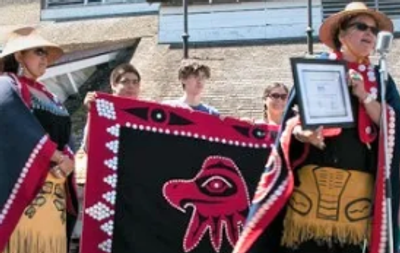
First Nations Communities and Language Groups
Interactive Land Map, BC Assembly of First Nations (BCAFN)
Interactive Map | British Columbia Assembly of First Nations (bcafn.ca)
About BCAFN - We are proud, progressive and innovative BC First Nations advocating for and implementing our Aboriginal Title, Rights and Treaty Rights through exercising our inherent laws and jurisdiction.
Metro Vancouver Indigenous relations
Indigenous Relations | Metro Vancouver
10 Local First Nations - Metro Vancouver is situated within the traditional territories of 10 local First Nations: q̓ic̓əy̓ (Katzie),q̓ʷɑ:n̓ƛ̓ən̓ (Kwantlen),kʷikʷəƛ̓əm (Kwikwetlem), máthxwi (Matsqui), xʷməθkʷəy̓əm (Musqueam), qiqéyt (Qayqayt), se’mya’me (Semiahmoo), Sḵwx̱wú7mesh Úxwumixw (Squamish), sc̓əwaθən məsteyəxʷ (Tsawwassen), and səlilwətaɬ (Tsleil-Waututh). In addition, there are many other First Nations with communities located outside Metro Vancouver that also have interests within the region.
MetroVancouver’s commitment to reconciliation - Metro Vancouver has an important role to play in reconciliation efforts because it plays a convening role for local governments in the region, delivers critical regional infrastructure and regional plans, and serves the public.
Learn more about First Nations, Aboriginal rights and interests within the Metro Vancouver region here: Metro Vancouver's Overview of First Nations
OVERVIEW OF FIRST NATIONS in the Metro Vancouver Region 2023
BC Treaty Commission (metrovancouver.org)
Metro Vancouver acknowledges that the region’s residents live, work, and learn on the shared territories of many Indigenous peoples, including 10 local First Nations: q́ićəý̓ (Katzie), q́ʷɑ:ńƛ̓əń (Kwantlen), kʷikʷəƛ̓əm (Kwikwetlem), máthxwi (Matsqui), xʷməθkʷəy̓əm (Musqueam), qiqéyt (Qayqayt), se’mya’me (Semiahmoo), Sḵwx̱wú7mesh U�xwumixw (Squamish), sc̓əwaθən məsteyəxʷ (Tsawwassen) and sə́lílwətaʔɬ (Tsleil-Waututh). Metro Vancouver respects the diverse and distinct histories, languages, and cultures of First Nations, Métis, and Inuit, which collectively enrich our lives and the region.
Interactive Map, BC Treaty Commission
Interactive Map | BC Treaty Commission
This is not an exhaustive list of all First Nations in BC. The First Nations included in this map are only those that are participating in, or have completed treaties through, the BC treaty negotiations process.
Indigenous Peoples and Reconciliation, City of Port Moody
Indigenous Peoples and Reconciliation - City of Port Moody
Nation names and pronunciation
In the table below, you’ll find the names and pronunciations of the Coast Salish Nations on whose traditional territory the city of Port Moody now resides. We have also included links to each Nation’s website or Facebook page. We encourage you to learn about the Nations’ current projects and priorities as well as their unique cultures, languages, and communities.
Nation - Anglicized name - Pronunciation - Name meaning
kʷikʷəƛ̓əm - Kwikwetlem - kwee-kwuh-tlum - “Red Fish up the River”
səlilwətaɬ - Tsleil-Waututh - slail-wha-tooth - “The People of the Inlet”
xʷməθkʷəy̓əm- Musqueam - mus-kwee-um - “People of the məθkʷəy̓ Plant”
The hən̓q̓əmin̓əm̓ word “məθkʷəy̓” was initially transcribed in English as “grass,” resulting in xʷməθkʷəy̓əm (Musqueam) People being known as “People of the River Grass.” It is now known that “məθkʷəy̓” refers to a flowering plant that grows along the Fraser River estuary, giving rise to the name “People of the məθkʷəy̓ Plant.”
Sḵwx̱wú7mesh - Squamish - squa-mish - "The People of the Sacred Water"
The “7” represents a glottal stop. Watch a video on how to pronounce Sḵwx̱wú7mesh.
q̓ic̓əy̓ - Katzie - kate-zee - “Land of the Moss”
qʼʷa:n̓ƛʼən̓ - Kwantlen - kwant-len - “Tireless Runner”
qiqéyt - Qayqayt - key-kite - “Resting Place”
Stó:lō - Sto:lo - staw-low - “People of the River” - Sometimes referred to as “S'olh Temexw” which is the shared traditional territory of the Stó:lō Peoples.
Indigenous People - Province of BC
Indigenous People - Province of British Columbia (gov.bc.ca)
The 2011 National Household Survey reports that of the over 232,000 Indigenous people in B.C., 67% were First Nations, 30% were Métis and just under 1% was Inuk (Inuit). First Nations people live both on- and off-reserves. Métis and Inuit live in urban and rural communities throughout B.C. Indigenous people have distinct cultures, world views, languages and traditions that form a part of the richness of B.C’s society today.
Learn hən̓q̓əmin̓əm̓
Learn hən̓q̓əmin̓əm̓ - School District No. 35 (sd35.bc.ca)
About the hən̓q̓əmin̓əm̓ language - hən̓q̓əmin̓əm̓ is spoken by the Down River people’s of the Fraser Valley, including the Musqueam, Tsleil-Waututh, Kwikwetlem, Tsawwassen, Katzie, and Kwantlen Nations.
To see where it is spoken, and what people groups speak it, find it on the First People’s Map here.
Lessons in hən̓q̓əmin̓əm̓ - For help reading and pronouncing some sounds in hən̓q̓əmin̓əm̓ you can visit this resource which breaks down the hən̓q̓əmin̓əm̓ by sound! hən̓q̓əmin̓əm̓ alphabet
Hul’q’umi’num’ / Halq’eméylem / hən̓q̓əmin̓əm̓ - hulk-ah-MEE-num
A Guide to the Pronunciation of Indigenous Communities and Organizations in BC, September 2018 Guide to Aboriginal Organizations and Services in British Columbia.
a_guide_to_pronunciation_of_bc_first_nations_-_oct_29_2018.pdf (gov.bc.ca)
HALKOMELEM language
Halkomelem is a language spoken by various First Nations peoples of the British Columbia Coast. It is classified as a member of the Central Salish branch of the Salishan family of languages. The word Halkomelem is an anglicization for the language Hul'qumi'num, which has three distinct dialect groups:
1. Hulquminum / Hul'qumi'num (Island dialect) or "Cowichan",
2. Hunquminum / hǝn̓q̓ǝmin̓ǝm̓ (Downriver dialect) or "Musqueam" (spoken by seven First Nations in the Lower Mainland in and around Vancouver, as well as in the Fraser River Delta and the lower reaches of the Fraser River;
3. Halqemeylem / Halq’eméylem (Upriver dialect) or "Stó:lō" spoken by today by the First Nations upstream along the Fraser River from Matsqui on to Yale.
Hul’q’umi’num’ / Halq’eméylem / hən̓q̓əmin̓əm̓ Language Resources and Stats (fpcc.ca)
B.C. elder receives honorary degree for efforts to keep the Halq'emeylem language alive | CBC News
First Nations spelling and phonetic English pronunciations
Semiahmoo (semi-AH-moo)
Katzie / q̓ic̓əy̓ (kat-zee)
Kwikwetlem / kʷikʷəƛ̓əm (kwee-kwet-lum)
Kwantlen / qʼʷa:n̓ƛʼən̓ (kwant-len)
Tsawwassen / c̓əwaθən məsteyəxʷ (tah-WASS-en)
Qayqayt (kay-kite)
Musqueam / xʷməθkʷəy̓əm (mus-kwee-um)
Squamish / Sḵwx̱wú7mesh Úxwumixw (squa-mish)
Tsleil-Waututh / səlilwətaɬ (sail-wha-tooth)
Stolo / Stó:lō (staw-lo)
Matsqui / Máthxwi (mat-squee)
Read more at: https://www.first-nations.info/pronunciation-guide-nations-british-columbia.html
Semiahmoo First Nation (semi-AH-moo)
The Semiahma are a proud and determined trans-boundary nation located in both Canada and the United States. While our traditional territories are now divided between the two countries, we remain closely connected to the Lummi & Nooksack who live in the United States. Our people have inhabited extensive territory across Washington state, the Strait of Georgia (now known as the Salish Sea) and the Lower Mainland of British Columbia for thousands of years. We are primarily tied through the common language of North Straits Salish, as well as our traditional fishing methods and the use of common lands. The word Semiahmoo means “half-moon,” and describes the shape of Semiahmoo Bay.
Katzie First Nation / q̓ic̓əy̓ (kat-zee)
Katzie First Nation | Land of the Moss
Katzie have lived and thrived in our territory for thousands of years. To this day Katzie maintain deep connections to our lands and the rivers, sloughs, creeks, and wetlands that run like veins through the heart of our territory. At the centre of Katzie territory is sq̓ə́yc̓əyaʔɬ x̌acaʔ [The lake of the Katzie] and sq̓ə́yc̓əyaʔɬ státləw [the river of the Katzie]. Though now called Pitt Meadows, Maple Ridge, Surrey, Langley and Delta, Katzie have ancient names for the many places where our ancestors lived and worked, and places where powerful transformations occurred. These names live on and Katzie are working to ensure that the names continue to be spoken by present and future generations.
Kwikwetlem First Nation / kʷikʷəƛ̓əm (kwee-kwet-lum)
Home - Kwikwetlem First Nation
We are the kʷikʷəƛ̓əm, a distinct and independent Nation who have lived in harmony with our territory surrounding the Coquitlam River Watershed since before remembered time. We share family, social, and cultural ties with all of our stál̕əw̓ (Fraser River) neighbours. Our name in our traditional hən̓q̓əmin̓əm̓ language means “Red Fish up the River” from a unique run of sockeye salmon that once thrived in the waters of our territory. Our name reflects the strong connection that our Nation and People have to the lands and waters of our home.
Kwantlen First Nation / c̓əwaθən məsteyəxʷ (kwant-len)
Kwantlen First Nation (kwantlenfn.ca)
OUR CULTURE AND LEGACY - Since time immemorial, we live by the seven traditional laws that guided our ancestors: health, happiness, generations, generosity, humbleness, forgiveness and understanding. Through learning, family, health, our culture and traditions and looking after our lands and resources, we are tireless in our spirit to make a better world for our future generations. In working together and learning from our Elders, we are respectful, proud, independent and responsible. Kwantlen translates to tireless runner. Following our rich legacy and traditions, we continue to work tirelessly at building a strong sense of community within our traditional territory. OUR LANDS - Kwantlen First Nation is committed to environmental sustainability that preserves our natural resources for generations to come. Kwantlen Traditional Territory extends from Richmond and New Westminster in the west, to Surrey and Langley in the south, east to Mission, and to the northernmost reaches of Stave Lake.
Tsawwassen First Nation - sc̓əwaθən məsteyəxʷ (tah-WASS-en)
Our Nation - Tsawwassen First Nation
Who We Are - We’ve been here a long time. We say our people have been here “since time immemorial.” Traditional knowledge, including legends and our ancestral names, confirm our continued occupation of this area. We have 491 Members as of our last count (March 2019), with nearly half living on Tsawwassen Lands (215). Many of our other Members (276) live close by in the North Okanagan, B.C., and in the Bellingham, Washington areas.
Our Traditional Territory - Our land base is deeply connected to our identity. Our traditional territory is bordered on the northeast by the watersheds that feed into Pitt Lake, down the Pitt River to the city of Pitt Meadows, where they empty into the Fraser River. It includes Burns Bog and part of New Westminster, following the outflow of the Fraser River just south of Sea Island. From Sea Island, it cuts west across the Salish Sea to Galiano Island and includes all of Saltspring, Pender and Saturna Islands. From there, our territory continues northeast to include the Point Roberts Peninsula and the watersheds of the Serpentine and Nicomeckl rivers.
Message from the Chief - Tsawwassen First Nation
A Message From Chief Laura Cassidy - As Chief of Tsawwassen First Nation, I want to officially welcome you to our lands. Our people are deeply connected to the water and Mother Earth upon which you stand. Tsawwassen means “Land facing the sea” in our language, hən̓q̓əmin̓əm̓. We are also known as the Salmon People, as our traditions are deeply rooted to fishing and canoeing. Today, we are a modern and progressive Treaty Nation. The Treaty we signed in 2009 with the federal and provincial governments has given us the powers, clarity and legal certainty to develop our ambitious plans for the future. Those plans were envisioned not just for the prosperity of the Tsawwassen people, but for the benefit of all who come here. We invite you to read this website to learn more about what you can expect here on Tsawwassen Lands. sxʷamisaat, Chief Laura Cassidy
Quayqayt First Nation (kay-kite)
The Qayqayt First Nation – New Westminster Schools – District 40 (newwestschools.ca)
In the 19th century, a village alongside of what is now Front Street in New Westminster was called Qayqayt (pronounced Ka-kite). In 1859, New Westminster City Council sought to remove the First Peoples from the city core, creating three reserves in the surrounding area, including 27 acres of Poplar Island and 105 acres across the Fraser River at Bridgeview. A smallpox epidemic killed many First Peoples in 1904; in 1916, the McKenna McBride Commission closed the New Westminster Indian Reserve and told the residents to move. Many reserves in British Columbia were being closed at this time, most without compensation or alternative lands to help them move. Qayqayt from New Westminster were married into or adopted into other Nations, relocating to Musqueam, Squamish, and Washington State.
Musqueam Indian Band / xʷməθkʷəy̓əm (mus-kwee-um)
We are traditional hən̓q̓əmin̓əm̓-speaking people. Today, we are a strong, growing community of over 1,300 members. Many of our members live on a small portion of our traditional territory, known as the Musqueam Indian Reserve, located south of Marine Drive near the mouth of the Fraser River. We have always moved throughout our territory using the resources it provides for fishing, hunting, trapping and gathering. We remain distinct and our cultural practices are strong, despite the devastating impacts of residential schools, colonial laws banning our ceremonies, and other attempts to assimilate our people. Our lands and waters continue to support our cultural and economic practices while serving as a source of knowledge and memory, encoded with our teachings and laws. The name xʷməθkʷəy̓əm (Musqueam) relates back to the flowering plant, məθkʷəy̓, which once abundantly grew throughout Musqueam territory. There is a sχʷəy̓em̓ that has been passed on from generation to generation that explains how we became known as xʷməθkʷəy̓əm – place where the məθkʷəy̓ grows.
Musqueam’s ancestors have lived in the Fraser River estuary for thousands of years. Today, portions of Musqueam’s traditional territory are called Vancouver, North Vancouver, South Vancouver, Burrard Inlet, New Westminster, Burnaby, and Richmond.
You can explore our territory using the interactive Musqueam Place Names Map.
Mission, Vision, Values - Musqueam
Our Vision - The Musqueam, a proud and unified people, will as a self-governing nation, work together to ensure enhanced quality of life for all generations of our people to develop a sustainable, self reliant, vibrant community that is built upon the historical and traditional values of our community.
Mission - The Musqueam, through transparent and accountable leadership, will assert the right to govern ourselves, for the benefit of all generations of our people, and exercise that right by building capable governing institutions and economies that match our culture through strong leadership.
Our Values - Respect, Pride, Inclusiveness, Honour, Shared Responsibility
nəc̓aʔmat ʔiʔ k̓am̓k̓ʷəm̓ ct tə ɬniməɬ šxʷməθkʷəy̓əmaʔɬ məsteyəxʷ.
We the Musqueam people are united and strong.
ʔəy̓ tə šxʷqʷeləwən ct ʔiʔ c̓ɬhi:yay̓əstəl̕ k̓ʷs ʔəy̓al̕əm ct.
We have good hearts and will work together to do the right thing.
haʔkʷəx ct cəʔ tə snəw̓eyəɬ k̓ʷs ʔis sθəθiy̓s tə xʷməθkʷəy̓əm.
We will use our teachings so the Musqueam people will be alright.
xaʔɬəmət ct ceʔ tə siyál̕əxʷeʔ, tə mem̓ənəw̓s ʔiʔ mək̓ʷ stem ʔi ʔə tə n̓a təməxʷ.
We will care about our elders, the ones and everything on this earth.
ƛ̓a ceʔ šxʷtəʔes səw xaʔɬəmət ct kʷθə m̓is yəʔey̓əqtal̕xʷ.
That way we will be looking after the ones that come after us.
səsəw yəʔe:y̓ k̓ʷam̓k̓ʷəm̓ tə šxʷməθkʷəy̓əmaʔɬ məsteyəxʷ.
Then the Musqueam will continue to be strong.
Squamish Nation / Sḵwx̱wú7mesh Úxwumixw (squa-mish)
About Our Nation - Squamish Nation
The Nation Today - The Squamish Nation, as a government, has existed since 1923. In our language, we are called Sḵwx̱wú7mesh Úxwumixw. Prior to 1923, the Squamish People were socially, economically, and politically organized into several physical communities called an úxwumixw (“village; people”) in the territory of the Squamish People. The territory of the Squamish People includes the Burrard Inlet, English Bay, False Creek, and Howe Sound watersheds. While historically the Squamish People had a tradition of dual residencies between the Howe Sound Watershed and the English Bay or Burrard Inlet watershed, the majority of our people live on the North Shore of Vancouver in three communities in West Vancouver and North Vancouver and approximately 10 percent of our population living in communities along the Squamish River in Squamish, British Columbia.
The Squamish Language is spoken today by dozens of Squamish People as a second-language. It has been learned from our elders who held onto the knowledge of the language after a significant decline in the population of first-language speakers. The language is unique from the language of neighbouring Indigenous Peoples, but considered part of the Coast Salish language family, and part of the wider Salishan language family. Our people’s history spans many millennia of living and governing our territory. The oldest archaeological site in the territory of the Squamish People is 8,600 years old at Porteau Cove in the Howe Sound. Our oral literature speaks to our origins as a people in our lands through the stories of first ancestors of the Squamish People. Our people consider ourselves descendants of those first Squamish ancestors who were made or appeared in different parts of Squamish territory
The little-known history of Squamish Nation land in Vancouver
The little-known history of Squamish Nation land in Vancouver | CBC News
'They were forced off their reserves, out of their homes and put on a barge to north Vancouver.' Angela Sterritt · CBC News · Posted: Apr 21, 2019 10:00 AM PDT | Last Updated: April 21, 2019
Tsleil-Waututh Nation / səlilwətaɬ (sail-wha-tooth)
About Tsleil-Waututh Nation - Tsleil-Waututh Nation (twnation.ca)
Our Territory -The heart of our community is now centred on Burrard Inlet, between Maplewood Flats and Deep Cove in North Vancouver. But traditional use studies and archaeological evidence show our ancestors occupied a vast area, about 1,865 square kilometres (190,000 hectares). Our traditional territory encompasses wilderness watersheds northwards to Mount Garibaldi, Coquitlam Lake in the east, and Howe Sound to the west.
Our Declaration - We are the Tsleil-Waututh First Nation, the People of the Inlet. We have lived in and along our inlet since time out of mind. We have been here since the Creator transformed the Wolf into that first Tsleil-Wautt, and made the Wolf responsible for this land. We have always been here and we will always be here. Our people are here to care for our land and water. It is our obligation and birthright To be the caretakers and protectors of our Inlet. Our people descended from powerful hereditary leaders, Waut-salk and Sla-holt. We know where we come from and we know who we are. We respect our heritage and nothing can change our history and our truth.
Our Story – Tsleil-Waututh Nation (twnation.ca)
Our Tsleil-Waututh Nation is one of many groups of Coast Salish peoples living in the Pacific Northwest, throughout British Columbia, Washington, and Oregon. Our knowledge of the lands and waters of our territory has shaped our people. Many generations have lived and thrived in this area, due in no small part to an abundance of resources. So we have a sacred trust, a responsibility to care for and restore our traditional territory to its former state. Our stewardship of the land, air, and water is deeply ingrained in our culture because we understand the health of our people is interconnected with the environment we inhabit. “Our holistic vision seeks to balance ethical growth with Tsleil-Waututh values.” Our vision for our people is reflected in every action we take, every decision we make as a sovereign people. We have made a conscious decision to acknowledge our anger toward the damaging changes we experienced from colonial contact, and then to set it aside, preferring instead to find creative ways to move forward into our future. In our land and business development activities, we seek to strike a balance between smart, ethical growth and preserving Tsleil-Waututh values and territory. To sustain and strengthen our culture, we:
- Think big and act decisively to care for our lands and waters
- Build strong relationships based on trust and mutual respect
- Participate in all social, economic, cultural and political activities taking place on our lands
- Share our wealth of knowledge with the broader community
Treaty, Lands & Resources – Tsleil-Waututh Nation (twnation.ca)
səl̓ilwətaɁɬ (Tsleil-Waututh) people have occupied our traditional lands since time immemorial. Remnants of our ancestors’ way of life are left behind, scattering the landscape in the form of artefacts, cultural use areas, habitation sites, hunting and gathering locations, and sacred spaces. Many of our traditional villages are located along the shores of Burrard Inlet, the body of water traditionally known as səlilwət. Tsleil-Waututh carry our culture forward by continuing to use these places today.
The Stó:lō Nation
Sto:lo Nation (stolonation.bc.ca)
The Stó:lō Nation Society, as it exists today, evolved from several organizations that emerged in response to the Trudeau government's 1969 Liberal Indian Policy, usually referred to as the White Paper. If successful, the White Paper would have resulted in changes to the Statutes of Canada and the British North America Act. The Department of Indian Affairs (DIA) would have ceased to exist and all benefits accorded to Status Indians would have ended. Aboriginal people across Canada would have been assimilated according to federal and provincial government policies. DIA Indian Agencies became known as District Councils in the 1960's. The East Fraser District Council (EFDC) was a grouping of twenty four Stó:lō bands between Fort Langley and Yale. District Councils were intended to facilitate the administration of DIA benefits and services but had the unanticipated effect of creating cohesion amongst the members who began to focus on rights and title and the “land question”. In November of 1975, the EFDC presented the Land Claims Action Proposal to the UBCIC. It started with the statement that “This is not a proposal for land claims research; it is a proposal for land claims action.” and went on to say “Land Claims is directly related to the everyday needs of (1) housing (2) employment opportunities (3) education, etc.” The Stó:lō Declaration and the Declaration of Native Title presented by the EFDC at this time are clearly based on the same principles.
The Chilliwack Area Indian Council (CAIC) was formed in 1970 when the local DIA office was closed. Initially representing 21 bands, by 1975 there were 14 member bands and Chief Richard Malloway (Yakweakwioose), Chief Sam Douglas (Cheam) and Chief Andrew Alex (Union Bar) formed the executive. CAIC was solely concerned with the provision of services and was the first Stó:lō authority delegated to administer benefits under the DIA's health, social assistance and education programs. Between the early 1970s and 1994, a number of Stó:lō political and service delivery organizations grew out of the EFDC and the CAIC. These included the Stó:lō Forum, Stó:lō Nation Canada, Stó:lō Political Branch, and Stó:lō Tribal Council. As early as 1980, Chief Steven Point proposed the amalgamation of all Stó:lō service agencies.
By 1994, Stó:lō Nation Canada (SNC) and the Stó:lō Tribal Council (STC) agreed to form a single organization under the leadership of Chief Steven Point. In 1995 the Stó:lō Nation submitted a Statement of Intent to the British Columbia Treaty Commission identifying our collective aboriginal rights and title extending beyond the EFDC and including our traditional territory from the Dry rack Fishery above Yale to the Salt Water resources of what is now known as the Salish Sea. Twenty one bands joined the Stó:lō Nation Society with Chiefs Charles Douglas, Michelle Douglas, Marilyn Gabriel, Ken Malloway, Lester Ned, Steven Point and Bruce Sam forming the first Board of Directors, known as the Special Chiefs Council.
The Constitution, signed on June 30th 1995, states in part that the purposes of the Society are to:
- Revive and maintain Stó:lō cultural values, re-establish self-government, maintain healthy Stó:lō communities
- Maintain and enhance our unique Stó:lō identity
- Support the growth of Stó:lō identity in our children
- Assist the general public to better understand and appreciate Stó:lō culture, traditions and spirituality
- Improve capacity within our Stó:lō community to create and carry out Stó:lō policy, programs and services.
Matsqui First Nation (mat-squee)
Matsqui | British Columbia Assembly of First Nations (bcafn.ca)
The Matsqui people are a Sto:lo Aboriginal group located in the Central Fraser Valley region of British Columbia, Canada. Their band government is the Matsqui First Nation, a member of the Sto:lo Nation Tribal Council. The core traditional territory of the Matsqui stretches along the Fraser River from Crescent Island to Sumas Mountain, and southward beyond the Canada-United States border
COMING SOON
Matsqui First Nation - Province of British Columbia (gov.bc.ca)
Matsqui First Nation is one of five of eleven Sto:lo Nation bands negotiating land and resource issues outside the B.C. treaty process.
Lower Mainland Municipalities and Indigenous Relations
City of Vancouver, Land Acknowledgement
Land acknowlegement | City of Vancouver This place is the unceded and ancestral territory of the hən̓q̓əmin̓əm̓ and Sḵwx̱wú7mesh speaking peoples, the xʷməθkʷəy̓əm (Musqueam), Sḵwx̱wú7mesh (Squamish), and səlilwətaɬ (Tsleil-Waututh) Nations, and has been stewarded by them since time immemorial. Vancouver is located on territory that was never ceded, or given up to the Crown by the Musqueam, Squamish, or Tsleil-Waututh peoples. The term unceded acknowledges the dispossession of the land and the inherent rights that Musqueam, Squamish and Tsleil-Waututh hold to the territory. The term serves as a reminder that Musqueam, Squamish and Tsleil-Waututh have never left their territories and will always retain their jurisdiction and relationships with the territory.
Surrey Urban Indigenous Strategy
Surrey Urban Indigenous Strategy | City of Surrey Review the strategy and actions that are being put into place to improve the lives of Indigenous people in Surrey. The City of Surrey acknowledges the traditional territories of the Semiahmoo, Katzie, Kwikwetlem, Kwantlen, Qayqayt and Tsawwassen First Nations. The Truth and Reconciliation Commission of Canada (TRC) exposed the terrible legacy of the Indian Residential School System and the on-going trauma for survivors. With Surrey having the largest urban Indigenous populations in BC, the City is taking a proactive response to the call to action by the TRC.
INDIGENOUS CULTURE & Experiences
Discover Surrey - Indigenous Culture (discoversurreybc.com) Surrey is a melting pot of different cultures and people from around the globe. Some of the city’s most influential and impactful groups are the people who have loved it from the beginning: the Indigenous Peoples of Surrey. Did you know that Surrey is home to the largest urban Indigenous population in all of British Columbia? More than 13,000 Surrey residents are Indigenous peoples, representing First Nations, Metis, or Inuit.
The First People of 'Richmond,' Graeme Wood, June 17, 2016.
Richmond, BC history: A look at the city's Indigenous roots - Richmond News (richmond-news.com),Ahead of National Aboriginal Day, the News looks at Richmond's Aboriginal history and present day efforts to rebuild a proud community.
Richmond city council votes to establish reconciliation policy, which could include land acknowledgments, CBC News, November 24, 2022.
Richmond city council votes to establish reconciliation policy, which could include land acknowledgments | CBC News Musqueam Chief Wayne Sparrow says recognizing history of area is important, despite disputes over land. Richmond city council voted unanimously this week to approve a motion to establish a Truth and Reconciliation policy for the city, which could include land acknowledgments. It's something the city hasn't implemented despite nearby municipalities having done so for several years. Mayor Malcolm Brodie has previously said land acknowledgements are not possible in Richmond due to two different land disputes — one with the Musqueam Nation over the Garden City Lands, which Richmond bought for $59 million in 2010 before the lawsuit was filed, and another with the Cowichan First Nation over land near Triangle Beach. Even with those disputes before the court, Musqueam Chief Wayne Sparrow says recognizing the history of the area is still important.
City of North Vancouver, Truth and Reconciliation
Truth and Reconciliation | City of North Vancouver (cnv.org) We respectfully acknowledge that we live and work on the traditional and unceded territories of the Sḵwx̱wú7mesh (Squamish) and səl̓ilwətaɬ (Tsleil-Waututh) Nations. The City of North Vancouver is committed to reconciliation with these Nations, who have lived on these lands since time immemorial.
Orange Shirt Day
Orange Shirt Day: Every Child Matters
The annual Orange Shirt Day on September 30th opens the door to global conversation on all aspects of Residential Schools. It is an opportunity to create meaningful discussion about the effects of Residential Schools and the legacy they have left behind. A discussion all Canadians can tune into and create bridges with each other for reconciliation. A day for survivors to be reaffirmed that they matter, and so do those that have been affected. Every Child Matters, even if they are an adult, from now on. The date was chosen because it is the time of year in which children were taken from their homes to residential schools, and because it is an opportunity to set the stage for anti-racism and anti-bullying policies for the coming school year. It is an opportunity for First Nations, local governments, schools and communities to come together in the spirit of reconciliation and hope for generations of children to come.
Britannia Community Centre resource information including readings, films, podcasts, articles, reports and educational resources
Britannia Community Services Centre Orange Shirt Day | (britanniacentre.org)
Britannia's Anti-Racism and Anti-Oppression Committee sent out a community call this summer to put together a list of readings, films, resources and other materials for non-Indigenous community members to use to learn about residential schools and reconciliation. Please explore and share these resources on your journey to reconciliation.
Metis Community
Metis Nation British Columbia (MNBC)
About MNBC – Métis Nation British Columbia
ABOUT MNBCWE REPRESENT NEARLY 90,000 MÉTIS PEOPLE IN BCAccording to Statistics Canada, there are nearly 90,000 Métis people in BC. More than 20,000 are registered MNBC Citizens. MNBC represents thirty-eight (38) Métis Chartered Communities in British Columbia. MNBC’s mandate is to develop and enhance opportunities for Métis communities by implementing culturally relevant social and economic programs and services. Métis Nation BC is recognized by the Métis National Council, Provincial Government of British Columbia, and the Federal Government of Canada, as the Governing Nation for Métis in BC.
Métis Ministries – Métis Nation British Columbia (mnbc.ca)
DISCOVER ALL THE BENEFITS OF BEING MÉTIS - DISCOVER OUR MINISTRIES.
With a ministry for every aspect of Métis life, you can rest assured that you are supported in your community no matter what your needs are.
BC Metis Federation
About the BC Métis Federation - BC Métis Federation (bcmetis.com)
The BC Métis Federation (BCMF) is a non-profit association that works with Métis communities to ensure the well being of BCMF members. Through grassroots efforts, BCMF advocates on behalf of its many members, living all across the province.
Indigenous crisis support services
KUU-US Crisis Line Society, First Nations Health Authority (FNHA) - Health through wellness
Mental Health and Wellness Support (fnha.ca)
KUU-US Crisis Line Society provides 24 hour phone support to Aboriginals throughout the Province of British Columbia including risk assessment, safety monitoring and local crisis mobile outreach services.
Adult/Elder Crisis Line: 250-723-4050
Child/Youth Crisis Line: 250-723-2040
KUU-US Aboriginal Crisis Line: 1-800-588-8717
Indian Residential School Crisis Line
How do I reach the 24 Hour Crisis Line? — Indian Residential School Survivors Society (irsss.ca)
A national service for anyone experiencing pain or distress as a result of their residential school experience. Call toll-free:1-866-925-4419.
Hope for Wellness Indigenous Helpline
Home - Hope for Wellness Helpline
Whether you prefer to talk to someone on the phone or online, we’re here to support you anytime. Hope for Wellness Helpline is available 24/7 to all Indigenous people across Canada.
Métis Crisis Line is a service of Métis Nation British Columbia.
Call: 1-833-MétisBC (1-833-638-4722)
Indigenous mental health and wellness
First Nations Health Authority (FNHA) - Health through wellness
The FNHA’s community-based services are focused on health promotion and disease prevention, including mental health and wellness.
First Nations Health Authority:604-693-6500
First Nations Virtual Doctor of the Day (FNHA) - Health through wellness
provides virtual health care and referral support for people who do not have a doctor or are unable to get an appointment. It is for all First Nations people living in BC and their family members, including family members who are not Indigenous.
Doctors are available by video or phone from 8:30 a.m. to 4:30 p.m. every day.
Call: 1-855-344-3800 to book an appointment.
Hope for Wellness
Home - Hope for Wellness Helpline
WELCOME TO THE HOPE FOR WELLNESS HELPLINE
Whether you prefer to talk to someone on the phone or online, we’re here to support you anytime.
Chat Online Call Us at: 1-855-242-3310
Hope for Wellness Helpline is available 24/7 to all Indigenous people across Canada.
About Us - Hope for Wellness Helpline
Services - The Hope for Wellness Helpline is available to all Indigenous people across Canada. Experienced and culturally competent counsellors are reachable by telephone and online ‘chat’ 24 hours a day, 7 days a week. Both telephone and online chat services are available in English and French. Telephone support is also available upon request in: Cree; Ojibway (Anishinaabemowin); Inuktitut.
(Note: Supports in Cree, Ojibway, and Inuktitut are not available 24/7, so you may need to call in to find out the next time that a language-speaker will be available.)
Indian Residential School Survivors Society (IRSSS)
Indian Residential School Survivors Society (irsss.ca)
A partner with the FNHA in providing access to counselling, cultural and emotional support services to former students of residential and day schools, and their families, regardless of status. Call toll-free: 1-800-721-0066 or visit
BC Aboriginal Network on Disability Society (BCANDS)
The British Columbia Aboriginal Network on Disability Society (BCANDS)
Who we are: The British Columbia Aboriginal Network on Disability Society, or as more commonly known, BCANDS, is an award winning, Indigenous not for profit, charitable Society serving the unique and diverse disability and health resource / support service needs of Indigenous peoples across Canada. BCANDS is a “stand alone” organization and is one of the only organizations of its type in Canada. BCANDS is in Special Consultative Status with the United Nations Economic and Social Council. In 2021, BCANDS will celebrate its 30th year of successfully delivering Indigenous disability and health programs and services across Canada.
BCANDS provides a vast array of services to eligible individuals, families and organizations, both within Indigenous communities and urban and rural centres. If you are an Indigenous person living with a disability, or a community or organization requiring disability or health information and support services, BCANDS may be able to assist.
BCANDS Persons with Disabilities (PWD) Program Overview |
Indigenous Services Canada (ISC) is committed to improving assistance programs for people with disabilities within British Columbia’s First Nation communities. ISC Persons with Disabilities (PWD) Program recognizes that people with disabilities may require additional supports in order to meet the challenges of daily living and in order to move towards, and maintain, greater independence. To assist, ISC has contracted with the British Columbia Aboriginal Network on Disability Society (BCANDS) to provide Persons with Disabilities (PWD) adjudication services relating to PWD applications received from individuals residing within British Columbia’s First Nation communities. The PWD adjudication process determines if community members qualify for extended services based upon outlined PWD eligibility criteria.
DISABILITY ORGANIZATIONS IN BRITISH COLUMBIA | (bcands.bc.ca)
Technology and Assistive Devices
Metis Community Services Society of BC (MCSBC)
Services – Metis Community Services Society of BC (mcsbc.org)
About – Metis Community Services Society of BC (mcsbc.org)
OUR MISSION - MCSBC is a non-profit Society that is recognized and empowered by Metis citizens in BC to provide holistic services that ensure the health and well-being of the Metis community. MCSBC promotes the health and well-being of the Metis community as we:
- Increase cultural awareness to BC communities which reflects our unique heritage
- Honour and support the importance of a healthy family environment in the delivery of holistic programs and services
- Encourage stronger relationships among our Metis Elders, youth, families, and our community
Call Us: 250-868-0351 Email Us: reception@mcsbc.org Address: 147 Park Rd. Kelowna, BC
Musqueam First Nations band, community services - health
Musqueam’s health department provides band and community members access to basic health, mental wellness and home and community care programs on reserve. By providing health promotion and prevention programs, we assist members in living healthier, longer lives. We encourage members to take charge of their health through education, information, and learning so they are better equipped to avoid disease and complications of chronic illnesses.
Musqueam Health Department Programs and Services Directory
MIB-Health-Services-directory-2018-2020.pdf (musqueam.bc.ca)
Tsow-Tun Le Lum Society
Home - Tsow-Tun Le Lum SocietyTsow-Tun Le Lum Society (tsowtunlelum.org)
Provides confidential outreach services such as counselling, cultural supports and personal wellness programs. Call toll-free: 1-888-403-3123 or visit their website.
The Tsow-Tun Le Lum Society - YouTube
Stó:lō Services Agency - Health and Wellness
Sto:lo Nation (stolonation.bc.ca)
The Health Department at Stó:lō Services Agency supports interacting health programs that service that serve member communities and many of which are also available to the general public. Programs offered through the Health Department include:
- Health Management
- Community Health
- Baby Time
- Home & Community Care
- Adult In-Home Care
- Nutritionist
- Aboriginal Diabetes Initiative (ADI)
- Family Empowerment
- Wellness Services
- Aboriginal Mental Health
- Aboriginal Support and Crisis Intervention Response Team (ASCIRT)
- Qwi:qwelstom Wellness Workers
- Family Services
- Aboriginal Supported Child Development (ASCD)
- Aboriginal Infant Development Program (AIDP)
- Stó:lō Elders Lodge
Indigenous community services and supports
The Vancouver Aboriginal Friendship Centre Society (VAFCS)
ABOUT - Vancouver Aboriginal Friendship Centre Society (vafcs.org)
The Vancouver Aboriginal Friendship Centre Society (VAFCS) was registered in 1963 under the British Columbia Act as a non profit organization. The Centre has been providing quality programs and services to the community for over 50 years. Since incorporation the centre has moved a few times; it was previously located on West Broadway, Vine Street and due to growth, and to better serve Our People the centre is now located at 1607 East Hastings Street.
Fraser Region Aboriginal Friendship Centre (FRFCA)
Fraser Region Aboriginal Friendship Centre (frafca.org)
Our Mission - We foster the health and well-being of urban Indigenous people in the Fraser Salish Region by providing culturally-relevant services, support, and advocacy.
Providing Support - We work to build a continuum of culturally-relevant care for individuals and families through feedback and guidance from community.
Building Community - We provide a safe place of support, healing, and advocacy for individuals and families through their healing journey.
Creating Connections - We build connections between individuals and support them to connect to their culture and roots.
Volunteer – Fraser Region Aboriginal Friendship Centre (frafca.org)
FRAFCA is extremely grateful to have volunteer support to help make a difference in the community. Become a part of the team, make a difference, create a positive impact and gain experience. Why Volunteer with Us? FRAFCA values the amount of effort that volunteers provide to the organization. We understand that with teamwork and cooperation, anything is possible. By volunteering with FRAFCA you will be a part of a team that values creating a positive impact, making a difference and giving back to the community. You will meet like-minded individuals, make friends and gain valuable experience that can be used for future opportunities. How to Apply? To apply for a volunteer position, please email us with a brief statement of interest (ie. skills you’d like to contribute, population you would like to work with), a resume and your availability and commitment (ie. one-time, 3-month, 1-year).
ABORIGINAL COMMUNITY CAREER EMPLOYMENT SERVICES SOCIETY
ACCESS - Aboriginal Community Career Employment Services Society - About Us (accessfutures.com)
ACCESS began as a cooperative venture of the urban Indigenous community of Greater Vancouver. It was first conceived by the Native Education College, Vancouver Aboriginal Friendship Centre Society and United Native Nations Society. These organizations entered into a five-year Aboriginal Human Resources Development Agreement (AHRDA) with Human Resources Development Canada (HRDC) in 1999. This urban AHRDA provided the means and framework for the creation and implementation of labour market development initiatives customized to the needs of urban Indigenous people in Greater Vancouver.
ACCESS - Aboriginal Community Career Employment Services Society - Home (accessfutures.com)
ACCESS provides education and training services to Indigenous people living in Greater Vancouver.
Community Living BC
- Crown corporation that works with individuals, families, service providers, community and government partners.
- Receives funding from the government.
- Supports as many people as it can with this funding.
- Connects people to community.
- Connects people to funded services.
- Knows it’s not easy to find the right supports for a good life.
- Wants to understand who you are and what you want your life to look like.
Supports to live in your home - Community Living BC
- If you are eligible for CLBC funded supports, and funding is available, you could receive supports to live in your own place, with a roommate or family in shared living, or in a staffed home.
- There are three types of home support:
- Independent Living
- Shared Living
- Staffed Living
You can learn more about these options on this page or talk to a CLBC facilitator about the different home support options.
Where you live is an important part of your life. CLBC funds a variety of home supports that allow people to select an option that is a good fit for their current support needs and preferences.
If you are eligible for CLBC supports, or are interested in reviewing or changing your current supports, you can review the supports CLBC funds below and/or talk to a CLBC facilitator about different options.
Some people live independently in their communities but need a bit of support throughout the week to develop specific skills and take care of their own home. Others need to have someone available to support them in their home at all times. Supports to live in your home might be the only CLBC-funded support you receive, or it could be one part of your plan. The kind and amount of support you receive is based on the need for help in specific areas. Visit the Understand CLBC Funding Decisions page for more details.
Learn about CLBC’s Cultural Safety Principles in new video - Community Living BC
Indigenous Relations - Community Living BC
CLBC has been providing services in First Nation communities since August 2014. Eligible individuals and their families residing within British Columbia’s urban, rural, First Nations (Status and Non-Status), Metis, and Inuit communities can access CLBC funded services depending on their needs and the availability of resources.
Click here to learn how to access CLBC services in and outside of Indigenous communities.
Click here to download the “Supporting Indigenous Communities” poster.
CLBC has a dedicated Indigenous Relations Team that works with Indigenous partners to help eligible Indigenous individuals and families access CLBC services. They also work with CLBC staff to build relationships with Indigenous communities in each region.
As a result of the partnerships with Indigenous communities and leaders, the Indigenous Relations team has the following four strategies:
- Develop meaningful and respectful connections to Indigenous people, including people with lived experience, their families, supporters, and communities.
- Shifting CLBC culture towards reconciliation
- Creating more cultural safety within CLBC operations and services
- Reframing service delivery to support the drafted principles
The overarching emphasis of many of these activities is developing and strengthening relationships with Indigenous people, families, supporters, communities, and partners in culturally safe ways.
Indigenous Advisory Committee - The Indigenous Advisory Committee (IAC) was started in 2012 to advise CLBC on how to achieve its vision of “communities of belonging, lives with connection” for Indigenous individuals with developmental disabilities and their families. The IAC consists of Indigenous individuals, families, and community members from across BC. They meet quarterly to provide advice, share information, and identify strategies to best provide culturally relevant services to Indigenous individuals and their families. The Committee provides input to enhance relationships with CLBC staff and First Nations, Metis, and Inuit community
Learn about CLBC’s Cultural Safety Principles in new video
Posted on June 23, 2023
In the fall of 2022, Community Living BC created its first Cultural Safety Policy. The policy describes cultural safety principles and practices that will guide how CLBC staff and service providers engage, support, monitor, and plan with First Nations, Métis and Inuit individuals, as well as their families, support networks and communities. This policy is an important step towards ensuring CLBC’s and the community living sector’s actions align with the rights of Indigenous Peoples, which is a key goal of our current Strategic Plan.
CLBC has created a new video to raise awareness and understanding of the six principles that guide the Cultural Safety Policy:
- Culturally Responsive Programming
- Indigenous Anti-Racism
- Indigenous Trauma Informed and Responsive Approach
- Promoting, Maintaining and Sustaining Connections
- Person-Centred Approach
- Promoting a Coordinated Service Approach
Pacific Association of First Nations Women
At Pacific Association of First Nations Women (PAFNW) we envision a matriarchal community where all Indigenous women in BC are safe and respected with a sense of belonging and connection to cultural traditions.
Our Vision: We envision a matriarchal community where all Indigenous women in BC are safe and respected with a sense of belonging and connection to cultural traditions.
Our Mission: To bring our vision into reality, we advocate for systems change and provide Indigenous, culturally safe learning and offer holistic supports to uplift Indigenous women and strengthen families.
https://pafnw.wordpress.com/pafnw-board-and-membership-recruitment/
Everyone is welcome to become a member! We have Voting Memberships for Indigenous Women and Associate Memberships for everyone else! Become a member to show your support towards the PAFNW’s vision and mission. With general membership, you’re welcome to attend our regular meetings. Indigenous women are granted Voting Memberships, with the benefits of a regular membership plus the opportunity to vote during meetings and apply to join the Board of Directors.
Native Women's Association of Canada
NWAC - Native Women's Association of Canada
We are a National Indigenous Organization representing the political voice of Indigenous women, girls, Two-Spirit, transgender and gender-diverse people in Canada, inclusive of First Nations on and off reserve, status and non-status, disenfranchised, Métis and Inuit. We were founded on the collective goal to enhance, promote and foster the social, economic, cultural and political well-being of Indigenous women, girls, and 2SLGBTQQIA+ people within their respective communities and Canadian societies.
Native Women's Association of Canada - National Apprenticeship Program
Homepage - NWAC-NNAP (nwac-nap.ca)
A national apprenticeships program created to connect small and medium sized businesses with indigenous apprentices. Developed by the Native Women’s Association of Canada (NWAC), with funding from the Government of Canada’s Apprenticeship Service, the National Apprenticeships Program (NAP) connects businesses with Indigenous women, Two Spirit, transgender, and gender-diverse people seeking apprenticeships in the skilled trades.
Indigenous Services - Province of BC
Indigenous Services - Province of British Columbia (gov.bc.ca)
Health services and social programs for Indigenous peoples, Government of Canada
Health services and social programs for Indigenous peoples - Canada.ca
Learn about physical and mental health services, child and family services, non-insured health benefits, family violence prevention and more.
Connection to Kith and Kin Online, The Vancouver Public Library
Connection to Kith and Kin Online | Vancouver Public Library (vpl.ca)
Knowing where we come from connects us to land and culture, and empowers us to make changes. At Connection to Kith and Kin Online, experts help Indigenous participants search online records for family documents. Searching can be an emotional experience. The Indian Residential School Survivors Society has provided a Resolution Health Support Worker to join the participants during their journey.
This program is currently held online.
Indigenous Elders
Elders’ Wisdom, VAFCS
http://www.vafcs.org/programs/elderswisdom/
The Elder’s Program provides a nourishing environment for elders to apply and maintain their traditional practices in a social environment.
PROGRAM ACTIVITIES INCLUDE:
- Individual and group session for Residential School Survivors
- Community Garden at UBC
- Sewing club
- Weekly Food Bank / Luncheons
- Workshops and services regarding health issues
The Annual events consist of our Christmas Party, Craft Fair, and Elders Gathering Conference. Drop in space is made available for our elders social gatherings.
http://www.vafcs.org/programs/volunteer-program/
VOLUNTEER PROGRAMS - The Vancouver Aboriginal Friendship Centre Society (VAFCS) is extremely fortunate to have many valuable volunteers contributing to our programs, special events and committee work. These volunteers are an essential component to the successful delivery of our services.
Britannia Community Services Centre, East Vancouver
Britannia Community Services Centre 55+ Programs and Highlights | (britanniacentre.org)
Cedar Hat Weaving
Learn how to create a woven cedar hat using techniques handed down over thousands of years. Though most hats will follow traditional shapes, there is room for creative interpretation with guidance from Todd and skilled volunteers. Each participant will have access to the tools and cedar warps and wefts to complete their own Cedar Hat.
Britannia Elders Arts — Arts and Health: Healthy Aging Through the Arts
In Fall 2016, the Britannia group began a new project with Haida weaver Todd Devries.
Thursdays at Britannia Todd shares his weaving practice with a group of Elders and seniors learning to make cedar hats. “Everything we need to know about weaving, we learn from the spider,” Todd says. “You start with 4 warps or strands (the spider’s legs) and weave in a weft strand or weaver, and form the Haida cross, and then weave around the legs of the spider, as a spider would when spinning its own web. Around and around.”
Britannia Cedar Bark Hat Weaving and Arts & Health: Healthy Aging Through the Arts
Cedar Bark Hat Weaving, sometimes called H.A.T.T.A., is part of Arts & Health: Healthy Aging Through the Arts, a Vancouver Park Board initiative bringing together artists with seniors and Elders for collaborative art projects. artsandhealth.ca. Our work takes place on the traditional, ancestral, unceded territories of the xʷməθkʷəy̓əm (Musqueam), Sḵwx̱wú7mesh (Squamish) and səlilwətaɬ (Tsleil-Waututh) Nations.
Teachings of the Tree People
People - Teachings of the Tree People - YouTube
Teaching of the Skokomish people and Elder Gerald Bruce (subiyay) Miller, harvesting medicinal plants and cedar bark for traditional healing and basket making.
Quirk-e
Britannia Community Services Centre 55+ Programs and Highlights | (britanniacentre.org)
Quirk-e (the Queer Imaging & Riting Kollective for Elders) is one of the founding Parks Board Arts & Health projects. Members have worked together for the last 15 years to produce an electric and eclectic mix of artistic productions that have included: theatre, imagery, digital storytelling, spoken word and writing. If you’re interested in joining this group, please contact Anne at anne.cowan@vancouver.ca.
Indigenous Youth
4Rs Youth 4Rs | Our Story (4rsyouth.ca)
Our Story - Since 2013, young leaders and adult allies from across fourteen national organizations have been exploring a new way forward for Indigenous and non-Indigenous young people to realize a changed relationship. The last year and a half have been crucial in building our shared capacity as young people to lead dialogue in ways that honour its complexity, and respect the vision of 4Rs to support the change that Indigenous and non-Indigenous youth want to see. Over time we have witnessed our vision come to life and lessons are emerging around what might be needed in a shared experience for young people to engage in dialogue that furthers respect, reciprocity, reconciliation, and relevance. We hope that in inviting you to share in our learning you will feel both challenged and inspired to contribute to the movement in your own way.
4Rs | Get Involved (4rsyouth.ca)
Stay In Touch - The 4Rs Youth Movement is composed of and driven by engaged youth and adult allies. That means we need your help to be successful! The 4Rs Movement is brought to life by those who show up to join a conversation in local communities where 4Rs gatherings are held. Consider adding your name to our events invitation list so that you can stay up to date about 4Rs happenings in your area, and receive invitations to local gatherings as they occur. Is the work of the 4Rs relevant to you? We encourage you to help build the narrative of the movement. You can do this by getting in touch with our team.
Bladerunners Youth Employment Program
WorkBC - Bladerunners Program - WorkBC
This program has been helping unemployed, at-risk young adults prepare for and find employment since 1994. BladeRunners provides life skills, job readiness skills, work experience/on-the-job training, job coaching and ongoing supports to unemployed or precariously employed young adults at risk. The BladeRunners programs delivered throughout B.C. provide a variety of skills training options. For more information, please contact the service provider in your region. It began in 1994 when a pilot project was started to address the needs of at-risk young adults in the Vancouver Downtown Eastside. Twenty-five young adults received job placements as labourers to support the construction of GM Place (now Rogers Arena). These participants were called the “BladeRunners.”
Eligibility: Young adults between 15 and 30 years old who face multiple barriers to employment.
Services Provided: Employment-related training and support for young adults, such as:
- Job readiness skills
- Certification courses (e.g. WHMIS, WCB Awareness, First Aid Level 1)
- Job coaching and support seven days a week, 24 hours a day
- Workplace communication skills
- Job placement opportunities
- Life skills training
BLADERUNNERS - Vancouver
ACCESS - Aboriginal Community Career Employment Services Society - BladeRunners (accessfutures.com)
For more than 25 years, we’ve helped over a thousand kids get jobs in construction and we can help you too! If you are between the ages of 19 and 30, living in Vancouver and looking for a good paying job in construction, contact one of our three Job Coaches to get started. We provide you with 2 weeks of basic safety training which includes First Aid, WHMIS, Fall Protection and many more. While you are in training, you get a hot breakfast and lunch each day. When you complete your training, we provide you with work gear and tools and then we find you a job! Three Job Coaches are on staff to assist participants from the time they enter the program until they no longer need support and for those who take part...Once a BladeRunner Always a BladeRunner!
Urban Native Youth Association (UNYA)
What we do and how we're doing it | Urban Native Youth Association (unya.bc.ca)
Our Mission: Urban Native Youth Association is the centre of Indigenous youth excellence, supporting youth on their journeys by amplifying and celebrating their voices. Our Vision: Empowered Indigenous youth leading and inspiring all Nations. Philosophy of Care: We recognize that a one-size-fits-all approach does not work best for our youth. The philosophies of two-eyed seeing, culture as therapy, trauma-informed care, harm reduction, and person-centred care provide a framework that shapes all decisions in how we interact with and respond to youth across programs.
Mentorship Program for Indigenous youth | Urban Native Youth Association (unya.bc.ca)
UNYA's Mentorship Program matches Indigenous youth ages 12 to 15 with trained volunteer mentors. If you are looking for a mentor for Indigenous youth ages 16 to 19, please navigate to the Kinnections Mentoring Program on our main Programs page, under "Housing & Transition." Participating in the Mentorship Program is an opportunity to form a trusting relationship with a non-judgmental, encouraging adult who you can talk to, try new activities with, and go to for advice. Our mentors help you realize your strengths, work towards your goals, and build your confidence and independence. Your mentor will be a supportive, caring, and stable role model, advocate, and friend, who can help you with making positive choices and changes. To participate in this program, you must be willing to commit to meeting your mentor for two to four hours per week for at least one year.
YOUTH LEADERSHIP INITIATIVE (YLI) - Disability Foundation
YLI Toolkit - Disability Foundation
Did you know that post-secondary students with disabilities experience greater difficulties with gaining employment in comparison to their peers and typically have higher unemployment and underemployment rates? After three years of dedication, the Youth Leadership Initiative (YLI) Team proudly presents the YLI Toolkit, a free online multimedia resource hub for youth with disabilities and employers looking to make their workplaces more inclusive and accessible. The Toolkit will offer a one-stop resource database that provides tangible solutions to many of the attitudinal barriers faced by post-secondary youth with disabilities during their employment search. Over time, we will continue adding and updating resources as new information is found. To get people started, take a look at the resources found by the YLI team, the YLI Advisory Committee, and respondents to the YLI Questionnaire. In the YLI study, we explored various employment challenges.
- Low Self-Confidence
- High Performance Expectation
- Perceived Discrimination
- Hesitation in Disability Disclosure
- Lack of Workplace Accommodation
In addition to tips and guidance to the identified barriers, the YLI Toolkit will also include additional career tips carefully curated by the YLI team and a list of equitable employers.
The YLI team is passionate about workplace inclusion and accessibility! We’ve been building this resource hub for you to enjoy, learn from, and refer to when you’re looking for assistance. Most importantly, we’ve created a safe community where we can all exchange ideas and share our career journeys.
All Native Basketball Tournament
ANBT – All Native Basketball Tournament
In the fall of 1959. A group of First Nations athletes met with their sponsors, Irwin Garfield of the Empress Hotel. And the owner of the Royal Hotel, they brought up the idea of having an Easter First Nations Basketball Tournament. The two sponsors then partnered up with the local Basketball Association, and together the All Native Basketball Tournament was born! The First Nations athletes were asked to contact their communities and get a commitment for their teams to attend. The organizing of the tournament was left up to the Basketball Association and Irwin Garfield. Al Kelsey was named First Chairman.
The first tournament was held at Prince Rupert's old Civic Centre located on 2nd Avenue, where the Government liquor store is today in Prince Rupert. The organizers had to ask the Prince Rupert business’s for anything they needed on credit. After the tournament was over the gate money paid off every business and gave each team $200. And the last $200 was given to the Prince Rupert Basketball Association for all of their help. Since it was a success it became an annual event! The tournament moved to February from March once the roe herring season started so that fisherman could participate and be spectators.
We are happy to see great interest from as far south as Ahousat on Vancouver Island and to the north to southeast Alaska, Hydaburg, Kake, and Metlakatla. We look forward to new teams wanting to come. This Tournament started with Village Pride and it is the back bone of this event. It is what keeps this event different from all the other Tournaments.
Resources and knowledge to promote Indigenous understanding, truth and reconciliation
23 Tips on What Not to Say or Do - Downloaded over 20,000 times! Indigenous Corporate Training Inc.
23 Tips on What Not to Say or Do When Working with Indigenous Peoples. (ictinc.ca)
Our learners tell us over and over again that this is one of the biggest challenges they face. This eBook lists 23 tips on what to say or do and explains why. The tips are based on real-life challenges and experiences from participants in our on-site and public training offerings, as well as Bob Joseph's personal and professional knowledge. This handy, little, free eBook will definitely give you and your team some great ideas to help readers before that next community meeting.
9 Terms to Avoid in Communications with Indigenous People, May 11, 2018 , Indigenous Corporate Training Inc., This article was originally posted on January 13, 2017.
9 Terms to Avoid in Communications with Indigenous Peoples (ictinc.ca)
Language has the power to respect and honour, or, hurt and offend and that is particularly true when working across cultures. Within that frame of reference, we respectfully recommend that when working with Indigenous Peoples you have an understanding of how the historical context of certain phrases can affect your communication and relationships with Indigenous Peoples.
A recommended activity prior to engaging with a community or individual is to do a self-analysis to determine your degree of cultural competency.
21 things you may not know about the Indian Act
Bob Joseph · for CBC News · Posted: Apr 13, 2016 3:13 PM PDT | Last Updated: April 14, 2016
21 things you may not know about the Indian Act | CBC News
The Indian Act has been a lightning rod for criticism and controversy over the years, widely attacked by First Nations people and communities for its regressive and paternalistic excesses. For example, Status Indians living on reserves don't own the land they live on; assets on reserve are not subject to seizure under legal process making it extremely difficult to borrow money to purchase assets; and matrimonial property laws don't apply to assets on reserve. The act has also been criticized by non-Aboriginal Peoples and politicians as being too paternalistic and creating an unjust system with excessive costs that are considered uneconomical. The Indian Act gave Canada a coordinated approach to Indian policy rather than the pre-Confederation piece-meal approach.
"The great aim of our legislation has been to do away with the tribal system and assimilate the Indian people in all respects with the other inhabitants of the Dominion as speedily as they are fit to change," stated John A. Macdonald, in 1887. The Act imposed great personal and cultural tragedy on First Nations, many of which continue to affect communities, families and individuals today.
Addressing Racism Review, Summary Report, November, 2020
In Plain Sight: Addressing Indigenous-specific Racism and Discrimination in BC. Health Care.
In December 2020, Dr. Mary Ellen Turpel-Lafond presented findings from her investigation into anti-indigenous racism within BC’s health care system. The report is based on consultations with almost 9,000 Indigenous peoples and health care workers and finds clear evidence of widespread systemic racism within our province.
Anti-indigenous racism in Canada, The National Collaborating Centre for Indigenous Health
National Collaborating Centre for Indigenous Health.
Three fact sheets, including Understanding Racism; Indigenous Experiences with Racism and its Impacts, Policies, Programs; and Strategies to Address Anti-Indigenous Racism.
16 resources to help settlers understand and advance Indigenous reconciliation, by Lindsay Purchase, originally published in 2018 and was updated in July 2021, CareerWise weekly .
16 resources to help settlers understand and advance Indigenous reconciliation - CareerWise (ceric.ca) It is the responsibility of every Canadian and every organization to work toward reconciliation. To move toward a better, more equitable future, it is imperative for Canadians to understand past and present injustices committed against Indigenous peoples and what needs to change.
Beyond 94, CBC News
https://newsinteractives.cbc.ca/longform-single/beyond-94?&cta=64In, March 2018
CBC News launched Beyond 94, a website that monitors progress on the Truth and Reconciliation Commission's 94 Calls to Action. Beyond 94 was the result of a year’s worth of research and interviews with survivors, stakeholders and all levels of government. While the content is continually updated, in September 2021, CBC reviewed the progress status of each of the 94 calls to action. The site provides up-to-date status reports on each call to action, as well as extensive summaries explaining those status reports. It includes in-depth features and short video documentaries that tell some of the community stories behind the calls to action. It also features residential school survivors sharing their experiences.
First Peoples Guide for newcomers, City of Vancouver
Guide: First-Peoples-Guide-for-Newcomers - 3 March 2014 (vancouver.ca)
Vancouver welcomes newcomers from all parts of the world. Newcomers are often at a disadvantage when it comes to learning about First Peoples because of language barriers, access to information, or the time to learn. They may have few opportunities to meet Aboriginal people in their daily lives and may learn about Aboriginal people only in the news. Yet, learning about the rich and diverse history and experiences of Canada’s First Peoples is key to building understanding between non-Aboriginal and Aboriginal communities.
First Peoples: A Guide for Newcomers aims to fill the need for clear information in simple language about the First Peoples in Vancouver. It introduces newcomers to three important topics: who are Aboriginal people (or First Peoples) in Vancouver and Canada; a brief overview of the relationship between the Government of Canada and First Peoples; and current initiatives and ways for newcomers to learn more about Aboriginal people in the community.
First Peoples: A Guide for Newcomers grew out of the Vancouver Dialogues Project (2010-2013), a City of Vancouver initiative to create more opportunity for understanding between Aboriginal and immigrant communities. As participants shared their stories, they found there was a need for educational materials about Aboriginal people for newcomers. The Guide became a key initiative under the Welcoming Communities Project in 2013, and was supported by the Province of B.C. Immigration Integration Branch.
UN Declaration on the Rights of Indigenous Peoples, First Nations & Indigenous Studies, UBC, 2009
UN Declaration on the Rights of Indigenous Peoples (ubc.ca)
The United Nations Declaration on the Rights of Indigenous Peoples (UNDRIP) is an international instrument adopted by the United Nations on September 13, 2007, to enshrine (according to Article 43) the rights that “constitute the minimum standards for the survival, dignity and well-being of the indigenous peoples of the world.” The UNDRIP protects collective rights that may not be addressed in other human rights charters that emphasize individual rights, and it also safeguards the individual rights of Indigenous people. The Declaration is the product of almost 25 years of deliberation by U.N. member states and Indigenous groups. The first of the UNDRIP’s 46 articles declares that “Indigenous peoples have the right to the full enjoyment, as a collective or as individuals, of all human rights and fundamental freedoms as recognized in the Charter of the United Nations, the Universal Declaration of Human Rights(4) and international human rights law.” The Declaration goes on to guarantee the rights of Indigenous peoples to enjoy and practice their cultures and customs, their religions, and their languages, and to develop and strengthen their economies and their social and political institutions. Indigenous peoples have the right to be free from discrimination, and the right to a nationality.
Bannock Awareness, printed in celebration of National Aboriginal Day
Southern Interior Forest Region (gov.bc.ca)
Food is an expression of culture. All cultures share the love of food, whether it is a collection of the family’s favourite recipes, their memorable meals, or the rituals around collecting and preparing food. This common bond between people is a good place to start to learn about each other’s culture. Bannock, for instance, is a favourite food of First Nations on Turtle Island (North America) and all Canadians. The Bannock Awareness recipe book is a collection of favourite bannock related recipes (with a few others) and of little known facts about First Nations history and culture. In pre-contact times, bannock was made from natural substances gathered from the woods: flour from roots, natural levening agents and a sweet syrup made from the sap of trees. Elders have warned me that today's reliance on "white foods" -refined sugar and flour- are contributing to an overal decline in the health of the people. While it would be impractical to return to the woods for all our sustenance needs, it is possible to chose healthier alternatives. Try substituting whole wheat flower and maple syrup or honey for sweeteners into the recipes for a more natural taste. The Ministry of Forests produced Bannock Awareness in commemoration of Aboriginal Awareness Day, which is celebrated annually on the 21st day of June. Food is used here to remind us of some core human characteristics which all cultures share such as the love of food and our children. We can help build bridges and a brighter future by sharing our favourite recipes and by learning about our history.
Exhibitions, public events and videos to promote Indigenous awareness and understanding
Spirit Journeys, Museum of Vancouver. January 26, 2023 - April 2023
Spirit Journeys: Walking with Resilience, Wellbeing and Respect — MOV | Museum of Vancouver
Connection to territorial lands and waters, and the plant and animal beings inhabiting such spaces, is a common thread uniting many of the artworks in this exhibition. The pieces invoke a form of Indigenous memory and identity as written on the land, body, or spirit. Some explore contemporary life through the lens of protection and resilience – the ability to challenge, or overcome, the destructive processes inherent to the colonial experience in Canada. Others explore the ongoing relevance of ancestral teachings in daily life. Several of the featured artworks remind us that plant and animal beings are our relatives, that they – and their gifts – must be treated with respect. It is our duty to care for them by stewarding shared lands and waterways where they also make their homes. Our lives are interwoven. Their wellbeing is also our wellbeing. By living this way, we ensure a legacy for future generations while honoring traditions passed down by our ancestors. Other artworks ask us to consider ways that Indigenous identity can be expressed in an increasingly urban landscape. They ask us to reflect upon ways we can protect our spirits in such settings. Medicine wheels become softer, portable artworks, while fabric is transformed into symbols of resilience and memory. All these works thread together the importance of walking with well-being and respect.
Cedar Is Life, 2023, Directed by Harold Joe and Leslie Bland
A Cedar Is Life | Vancouver International Film Festival (viff.org)
Good wood. That is one Indigenous name for cedar. This tree has always been central to First Nations cultural practice on the northwest coast. As one carver observes, “You are born in cedar, the cradle, and you are laid to rest in cedar.” It is used for long houses, totem poles, masks, canoes, bowls, and chests; the bark is used for weaving of clothes, hats, blankets, baskets, and sails; the branches are used for cleansing ceremonies. This Vancouver Island-made documentary weaves together interviews with elders, mask carvers, medicinal harvesters, canoe makers, totem carvers, cedar bark weavers, those working with traditional food and cooking, and other hands-on practitioners all along the West Coast (from Cowichan to Haida Gwaii). They speak to their craft, and how all parts of the tree were – and still are – crucial to their way of life. And, with this, we learn about the Cowichan legend of Cedar Woman and how, to the First Nations, the tree is itself a living spirit. A Cedar Is Life is an illuminating and passionate film about one of the defining aspects of this part of the world.
Britannia Cedar Bark Hat Weaving and Arts & Health: Healthy Aging Through the Arts
Cedar Bark Hat Weaving, sometimes called H.A.T.T.A., is part of Arts & Health: Healthy Aging Through the Arts, a Vancouver Park Board initiative bringing together artists with seniors and Elders for collaborative art projects. artsandhealth.ca. Our work takes place on the traditional, ancestral, unceded territories of the xʷməθkʷəy̓əm (Musqueam), Sḵwx̱wú7mesh (Squamish) and səlilwətaɬ (Tsleil-Waututh) Nations.
Teachings of the Tree People, Watcom County Library System
People - Teachings of the Tree People - YouTube
Teaching of the Skokomish people and Elder Gerald Bruce (subiyay) Miller, harvesting medicinal plants and cedar bark for traditional healing and basket making.
Witness the power of Tribal Canoe Journeys. Open until February 20, 2023.
Sacred Journey - Science World
Sacred Journey, produced by the Heiltsuk Tribal Council, SeeQuest Development and Greencoast Media, and presented by Vancity, takes visitors on a voyage, to experience the resurgence of Northwest Coast canoe cultures. For thousands of years, the traditional ocean-going canoe (“Glwa”) was the main means of transportation for Indigenous Peoples in the Pacific Northwest. It was essential for community, for culture, for way of life. Nearly lost as a result of colonization, canoe culture has seen a revival over the last three decades. Through art, immersive audio, video displays, and interactive experiences, Sacred Journey tells the powerful story of a People reclaiming traditions and ways of life—particularly through annual Tribal Canoe Journeys taken to revitalize cultures, heal communities, and empower the next generation.
Featuring modern Northwest Coast style graphic design and mask carving by Chazz Mack, Ian Reid (Nusi), Kelsey (KC) Hall and Roy Henry Vickers, Sacred Journey is a celebration of Northwest Coast canoe cultures. It is also an invitation for visitors to bear witness to the transformative power of Tribal Canoe Journeys and the Indigenous teachings that hold answers to the environmental and social crises our world is facing.
Pulling Together canoe journey
Pulling Together Canoe Journey (dfo-mpo.gc.ca)
The Pulling Together canoe journey is an annual voyage that brings together Indigenous Peoples, public service agencies and youth on an multi-day canoe journey through the traditional ocean highways along the coast of British Columbia. It helps to strengthen relations, foster reconciliation, teamwork, empathy and mutual respect as all participants “pull together” towards a common goal.
Pulling Together Canoe Journey, RCMP, Canada.ca
Surrey RCMP - Pulling Together Canoe Journey (rcmp-grc.gc.ca)
The Pulling Together Canoe Journey is an annual ten day journey that brings together First Nations communities, police, other public service agencies, and youth. The combination of public service personnel and First Nation’s people paddling in unison is a powerful symbol of positive relationships and mutual respect. The journey itself is an unforgettable spiritual experience that blends teamwork with culture and adventure, while strengthening bonds between public service workers and local First Nation peoples. The Surrey RCMP is committed to building and fostering relationships with local First Nations communities, and is a proud participant in the annual Pulling Together Canoe Journey.
In 2001, now retired RCMP S/Sgt. Ed Hill organized the first Pulling Together Canoe Journey down the Fraser River. Hill understood the benefit of police officers working with First Nations peoples with the goal being, to and wanted to improve police relations with First Nations communities. Today, the Journey continues to bring together local First Nations communities and public service agencies for this annual cultural trip.
"Each year is like a family reunion for me, reconnecting with various communities from all over the province," says Surrey RCMP Cst. Troy Derrick, a member of the Gitxsan Nation. "It is a great learning opportunity that not many get to experience."
BC has Canada’s only Indigenous coast guard team, by Kristi Alexandra on January 11th, 2024
There’s a new group of ocean rescuers hitting our screens, set on a BC coastline backdrop. Debuting on January 14 on APTN (Aboriginal Peoples Television Network), Ocean Warriors: Mission Ready is a 13-part docuseries following four First Nations who have teamed up to form Canada’s only Indigenous coast guard team. The show is shot in the Ahousaht, Quatsino, Heiltsuk, and ’Namgis nations—the four nations that make up the Indigenous Coastal Nations Coast Guard Auxiliary—and follows the highly trained men and women as they prepare to hit the sea for emergencies across their rugged coastline.
News release from: Canadian Coast Guard June 15, 2022, Ottawa, Ontario
Through the Oceans Protection Plan, the Government of Canada is working in partnership with Indigenous coastal communities to improve safety on the water. Today, the Minister of Fisheries, Oceans and the Canadian Coast Guard, the Honourable Joyce Murray, announced $2 million in funding for ten communities through the Indigenous Community Boat Volunteer Program to buy boats and related safety equipment.
The Canadian Coast Guard launched the Indigenous Community Boat Volunteer Program in 2017, under the Oceans Protection Plan, to strengthen coastal communities’ capacity to participate in maritime search and rescue activities. Combined with training in search and rescue, the Program helps Indigenous communities in coastal areas become new members of the Canadian Coast Guard Auxiliary. Increasing local capacity to respond effectively to emergencies makes the waters near these communities safer for everyone.
A total of $2 million in funding has been provided to ten communities: Hamlet of Pangnirtung in Nunavut; Ka:'yu:'k't'h'/Che:k'tles7et'h' First Nations and Nisga’a Nation in British Columbia; Whitefish River First Nation and Wiikwemkoong Unceded Territory in Ontario; Cree Nation of Waskaganish in Quebec; MAWIW Council Inc. (representing Elsipogtog First Nation and Esgenoopetitj First Nation) in New Brunswick; We’koqma’q First Nation in Nova Scotia; and, Miawpukek First Nation and Makkovimuit Trust Incorporated (representing the Inuit communities of Nain and Makkovik) in Newfoundland and Labrador.
To date, 40 Indigenous coastal communities or organizations on all three coasts have received over $12 million in funding to buy or retrofit boats and related safety equipment. Under the next phase of the Oceans Protection Plan, the program will continue to help communities build, enhance, or sustain their capacity to respond to marine search and rescue incidents.